Custom software product development
Your software product, every part of it, built by one team.
We plan, design, build and launch web platforms, SaaS and internal tools, then stay on to grow them with you.
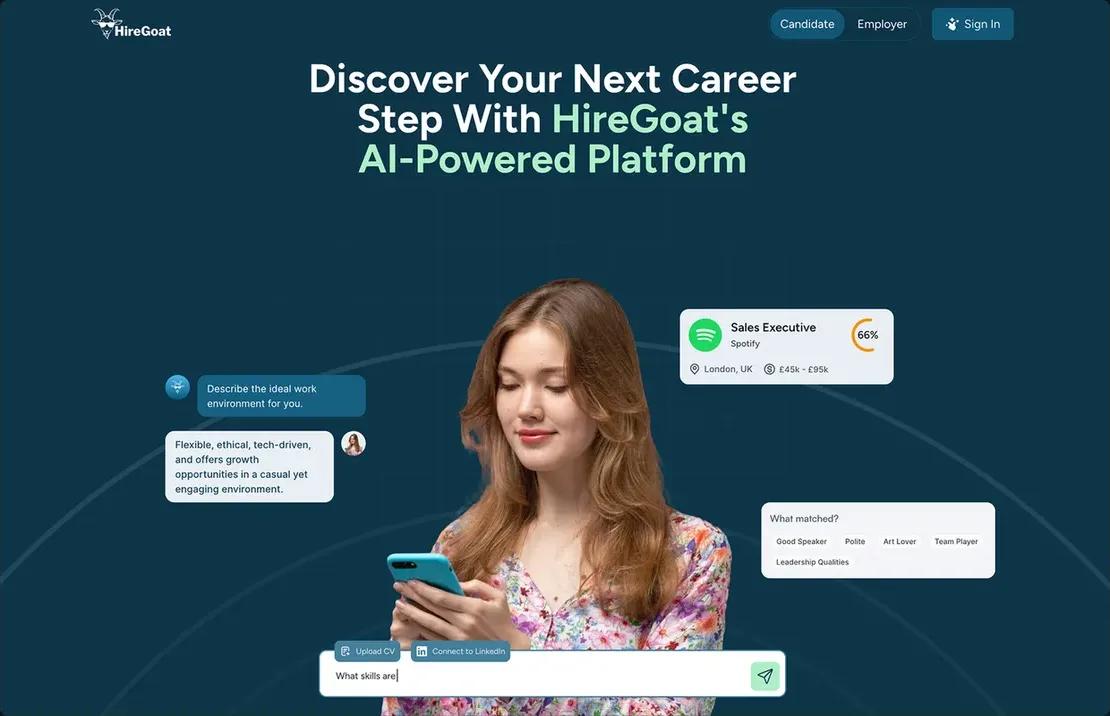
- Candidate and employer sign-in
- Landing page
- AI chat and job matching
- CV upload and LinkedIn
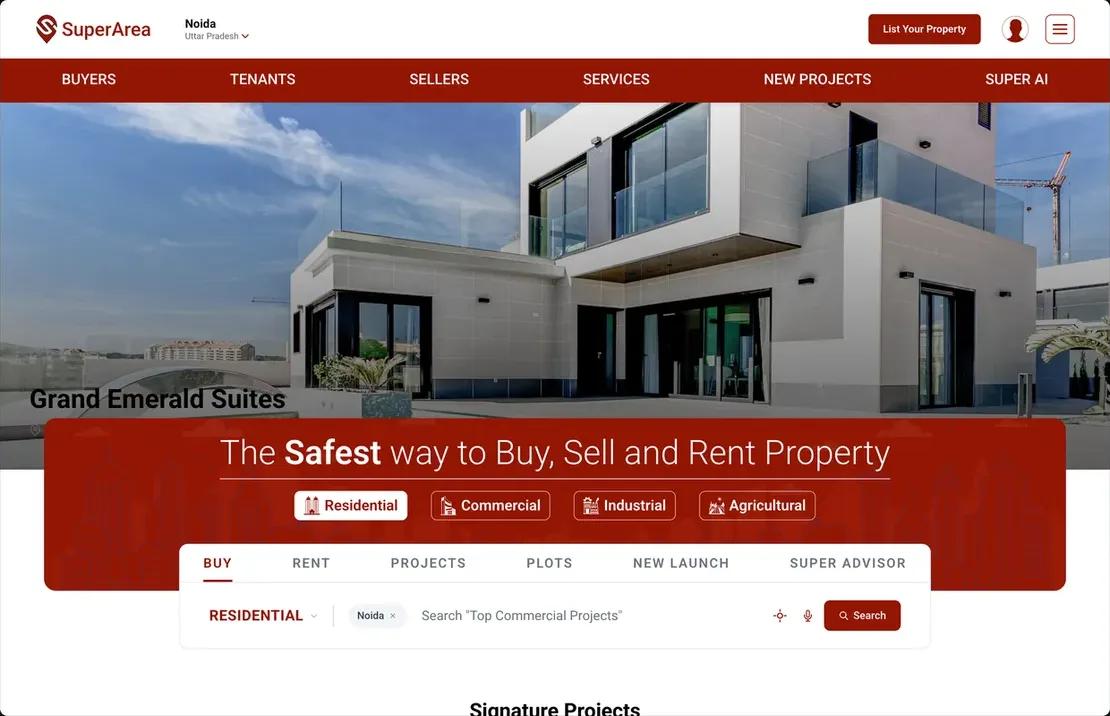
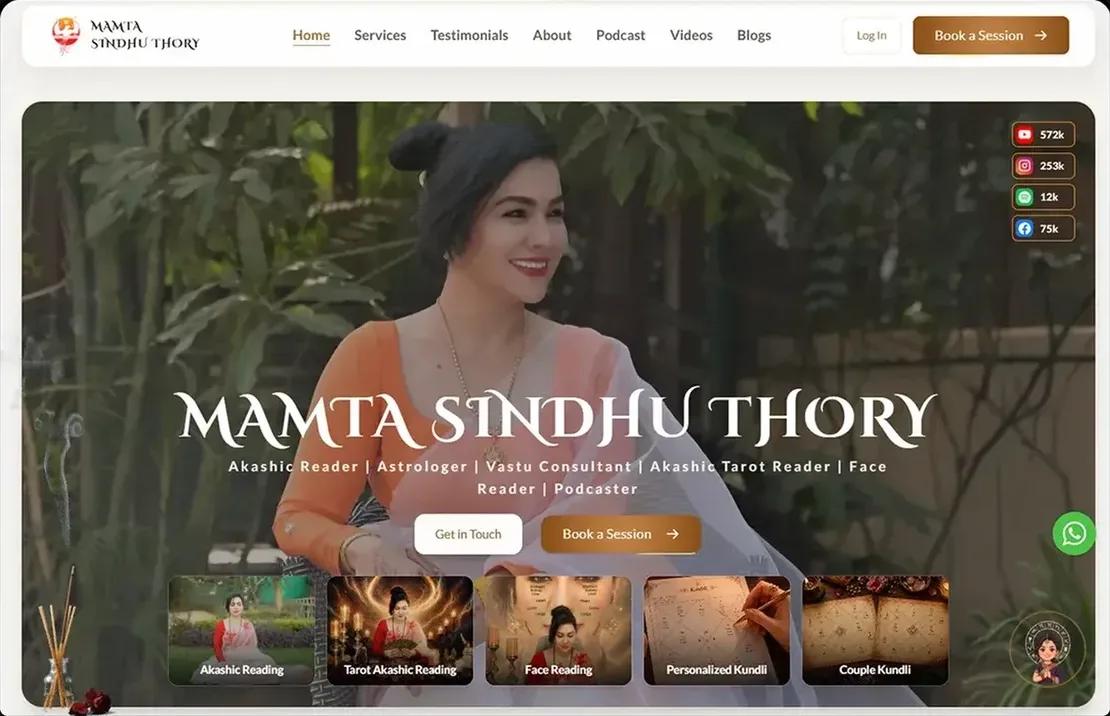
AI recruitment platformRead the case study
Everything your product needs, from one team.
MoonDive's Product Development Services deliver end-to-end digital product builds, from strategy and UX design to engineering, QA, and post-launch growth. As one of the best product development companies, our team combines deep technical expertise with a product-first mindset. We work with startups, scale-ups, and enterprises to build software products that are scalable and aligned to real business outcomes. Engagements typically deliver production-ready products in 8–12 weeks, backed by agile delivery, modern tech stacks, and measurable ROI.
- Founded
- 2022
- Projects delivered
- 25+
- Engineers, designers and AI specialists
- 50+
Product discovery and strategy
Before: A long feature list nobody has tested.
After: A roadmap built on what your users actually need.
- Workshops and user interviews
- Clickable prototype
- Scope and release plan
UX and UI design
Before: Screens designed one at a time, each a little different.
After: One design system that every screen is built from.
- User flows
- Figma prototypes
- Design system
- Usability testing
Web platform engineering
Before: A codebase only its first developer understands.
After: Clean Next.js and React code your next hire can pick up.
- Next.js and React
- TypeScript
- Fast, accessible pages
- Search-friendly rendering
Backend, APIs and integrations
Before: Data copied between tools by hand.
After: Your systems connected through clean, documented APIs.
- Node.js and Python
- PostgreSQL and MongoDB
- Payments and third-party APIs
AI features
Before: An AI demo that never reaches real users.
After: AI that does one useful job inside your product.
- OpenAI, Anthropic and Gemini
- Search and recommendations
- Assistants and automation
Launch, hosting and growth
Before: A big launch, then nobody to call.
After: The team that built it keeps shipping after launch.
- Release checks
- Hosting on AWS, Azure or Google Cloud
- Monitoring and maintenance
One team, from the first workshop to version two.
Who works on your product in each phase. The thicker the line, the more of their time it gets.
Discover
We learn your users, goals and constraints, and test the riskiest idea with a clickable prototype.
- You get
- Research notes
- Clickable prototype
- Scope and roadmap
- Most of the work
- Product lead
Teams who built with us.
MoonDive is the name I would recommend to anyone seeking a committed custom application development company. Our relationships covered multiple areas such as software development of server-based systems with desktop and mobile apps, software testing, software consulting and integration. I really want to appreciate MoonDive team for work done in less time and effectively.
 Mohit MittalCo-founder & CEO, Moresmores.in
 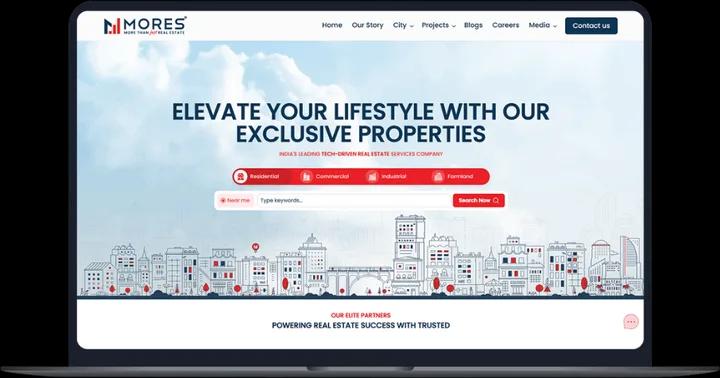 Read the case study




Questions teams ask about product development.
What's the difference between a website and a web application?
A website is mainly informational, like a company site, blog, or portfolio where users view content but have limited interaction. A web application is interactive software accessed via a browser, such as Gmail, Netflix, or Airbnb, where users perform actions, manage data, and log in to accounts. Websites are simpler and faster to build (around 4–8 weeks), while web apps are more complex and take longer (12–24 weeks) due to their functionality. For example, moondive.co is a website, whereas a project management tool would be a web app. Most businesses benefit from having both a marketing website to attract users and a web app to deliver their product or service.
Should I build with React, Next.js, Vue, or Angular?
For most projects, Next.js is the best choice because it’s built on React (easy to hire developers), offers server-side rendering for better SEO, delivers fast performance, and supports both static sites and dynamic web apps. • React: Ideal for single-page apps (SPAs) without major SEO needs. • Vue: Great if you prefer a simpler learning curve and a lightweight framework. • Angular: Best for large enterprise-level apps with complex logic. Next.js powers brands like Airbnb, TikTok, Twitch, and Nike, making it production-ready and future-proof for modern web development.
How long does it take to build a web application?
Realistic timelines: • Simple web app (user login, dashboard, basic CRUD): 8–14 weeks • Medium complexity (APIs, payments, admin panel): 16–24 weeks • Complex app (real-time updates, AI, advanced workflows): 24–40 weeks Typical process: • Planning & wireframes: 1–2 weeks • UI/UX design: 2–4 weeks • Frontend development: 4–12 weeks • Backend & database: 4–10 weeks • Testing & deployment: 2–4 weeks We follow 2-week agile sprints with demos at each iteration. Our fastest delivery was a 6-week SaaS MVP, while most full-featured B2B apps take around 16–20 weeks to build.
What technologies do you use for web development?
Our modern web development stack ensures performance, scalability, and security: • Frontend: React, Next.js 14, TypeScript, Tailwind CSS • Backend: Node.js (Express/NestJS) or Python (FastAPI) • Database: PostgreSQL (relational), MongoDB (flexible), Redis (caching) • Authentication: NextAuth.js, Auth0, or custom JWT • Payments: Stripe, PayPal integration • Hosting: Vercel for frontend, AWS or Google Cloud for backend This stack is proven at scale, used by leading companies like Vercel, Shopify, and Uber. We can also adapt to your existing infrastructure if you’re working with legacy systems.
Will my web app work on mobile browsers?
Yes! All our web apps are fully responsive and mobile-optimized. We follow a mobile-first design approach, building phones first, then scaling up to tablets and desktops. Since over 60% of web traffic comes from mobile, we ensure an excellent on-the-go experience. However, if your app requires offline access, push notifications, camera/GPS integration, or app store availability, you’ll need a native mobile app (we can build that too). For example, Gmail works smoothly in mobile browsers, while Uber needed a native app for GPS and notifications. We recommend the best approach based on your goals and user needs.
Can you build a web app that scales to millions of users?
Absolutely! We build every web app to scale seamlessly from day one. Using AWS or Google Cloud for auto-scaling, optimized databases, and CDNs like Cloudflare, we ensure fast, reliable performance worldwide. Our microservices architecture, load balancing, and performance monitoring keep apps stable under heavy traffic. Proven results include 1M+ daily users, 10K+ concurrent sessions, and 99.9% uptime. We also load test before launch to ensure your app performs flawlessly, even when it goes viral.
Do you build Progressive Web Apps (PWAs)?
Yes! We build Progressive Web Apps (PWAs) that combine the best of web and mobile experiences. PWAs work offline, can be installed on the home screen, send push notifications, offer fast load times, are SEO-friendly, and require no app store approval, all from a single codebase for every platform. They’re perfect for content apps, eCommerce stores, news platforms, and productivity tools, but not ideal for apps needing native features like Bluetooth, NFC, or advanced camera access. Successful examples include Twitter Lite, Starbucks, and Pinterest. PWAs are 40% more cost-effective than native apps and help you reach more users efficiently, making them a great choice for most B2C products.
How do you handle SEO for web applications?
SEO for web applications requires a specialized approach. We use server-side rendering (SSR) with Next.js so content is visible to Google, implement dynamic metadata for unique titles and descriptions, and add structured data using Schema.org markup. We optimize performance for Core Web Vitals, use semantic HTML for accessibility, generate XML sitemaps, and maintain a strong internal linking strategy. A common challenge is that many web apps are behind logins, which Google cannot crawl. Our solution is to create public marketing pages with SSR while the logged-in app runs client-side. This approach has helped SaaS companies rank #1 for competitive keywords and achieve strong search visibility.
Can you integrate with my existing backend/API?
Yes! We specialize in frontend development that seamlessly connects to existing backends. Common scenarios include building a modern React frontend for legacy .NET/Java systems, consuming existing APIs in a new web app, creating a web version of a mobile app using the same APIs, or unifying frontends for microservices architectures. Requirements: APIs should be RESTful or GraphQL, documented, and support CORS. We’ve integrated with Salesforce, SAP, Oracle, custom enterprise systems, and hundreds of third-party APIs. If your backend lacks APIs, we can develop a middleware layer to bridge the connection.
What's the difference between SQL and NoSQL databases?
SQL databases (PostgreSQL, MySQL) use structured tables with relationships, making them ideal for financial data, user accounts, eCommerce orders, or any scenario requiring complex queries and strong data integrity. NoSQL databases (MongoDB, Firebase) store flexible JSON-like documents, suitable for social feeds, chat messages, real-time data, or rapidly changing schemas. ur recommendation: PostgreSQL works for most web apps (~90% of cases). MongoDB is ideal when you need extreme flexibility, are building a CMS, or have unpredictable data structures. Many apps use a combination: PostgreSQL for core data, Redis for caching, and MongoDB for logging. We select the database based on your specific data model and requirements.
How do you ensure my web app is secure?
We take web app security very seriously and implement multiple layers of protection. This includes HTTPS/SSL for encrypted traffic, authentication and role-based access control, input validation to prevent SQL injection and XSS attacks, CSRF protection for secure forms and APIs, rate limiting to guard against DDoS and brute force attacks, and security headers like CSP, HSTS, and X-Frame-Options. We also perform regular dependency updates, conduct penetration testing before launch, and follow OWASP Top 10 best practices with thorough code security reviews. For regulated industries, we ensure compliance with standards such as HIPAA (healthcare), PCI-DSS (payments), and SOC 2 (enterprise SaaS).
Can users access my web app offline?
Limited offline functionality is possible using Progressive Web Apps (PWAs). • Read-only offline: Users can view previously loaded content like articles or products. This is relatively simple to implement. • Full offline with sync: Users can create or edit data offline, which syncs when online. This is more complex and typically adds 4–6 extra weeks to development. Not all apps need offline access; SaaS dashboards, admin panels, and eCommerce checkouts usually require an internet connection. Apps that benefit most include content publishing platforms, field service tools, and note-taking apps. Our recommendation: launch online-only for the MVP, then add offline features based on user demand.
Do you provide ongoing maintenance and support?
Yes! Ongoing maintenance and support are essential for web apps. Our monthly retainer includes bug fixes and hotfixes, security patches, dependency updates, performance monitoring, server management, backups, and uptime monitoring. We also offer additional services like feature development, UI/UX improvements, third-party integrations, and scaling support. Critical bugs are addressed within 4 hours and fixed within 24 hours. We maintain 98% of our clients’ long-term, thanks to clean, well-documented code that’s easy to update and enhance.
Can you migrate my existing website to a modern framework?
Yes! We specialize in modernizing existing websites. Common migrations include WordPress → Next.js for better performance and SEO, PHP/Laravel → React + Node.js for a modern stack, jQuery → React for maintainable components, and monolithic apps → microservices for scalability. Our migration process involves auditing the existing site, planning a phased migration to minimize downtime, preserving SEO with 301 redirects and URL structure, training your team on the new tech, and initially running the old and new sites in parallel. Typical migrations take 12–20 weeks depending on complexity. We’ve successfully migrated 20+ legacy sites with zero SEO loss. `
What analytics and monitoring do you set up?
We provide comprehensive analytics and monitoring for web apps. For user behavior, we use Google Analytics 4 (traffic, user behavior), Mixpanel/Amplitude (product funnels), and Hotjar (heatmaps, session recordings). For performance monitoring, we track Core Web Vitals with Vercel Analytics, monitor errors and alerts with Sentry, ensure uptime with Uptime Robot, and run performance regression tests via Lighthouse CI. We also create custom dashboards for KPIs, conversion tracking, A/B testing, and cohort analysis. Alerting systems notify you within minutes if the app experiences downtime or errors. All tracking is GDPR/CCPA compliant with proper cookie consent.
Every product has a next version.
Tell us where yours is today. We will plan what ships next with the people who would build it.