InnovativeUI/UX Design
We create user-centered designs that combine aesthetics with intuitive functionality. Through user research, wireframing, prototyping, and usability testing, we craft interfaces that enhance engagement, improve conversions, and deliver seamless experiences across all devices.
Design System
Executive Summary
`MoonDive's UI/UX Design Services deliver user-centered interfaces and conversion-focused experiences across web and mobile platforms. The offering includes user research, wireframes, interactive prototypes, and design systems to ensure consistency and scalability. Designs are validated through usability testing and iterative refinement to improve engagement and task completion. Let me know if you'd like a tailored version or next steps.
TLDR
- Increase conversion rates by up to 25% through optimized interfaces
- Reduce user errors by 30% via simplified navigation
- Accelerate time-to-prototype by 50% with reusable components
- Improve task completion by 20% using usability testing
- Standardize design, reducing dev rework by 40% with design system
UI/UX Design Solutions
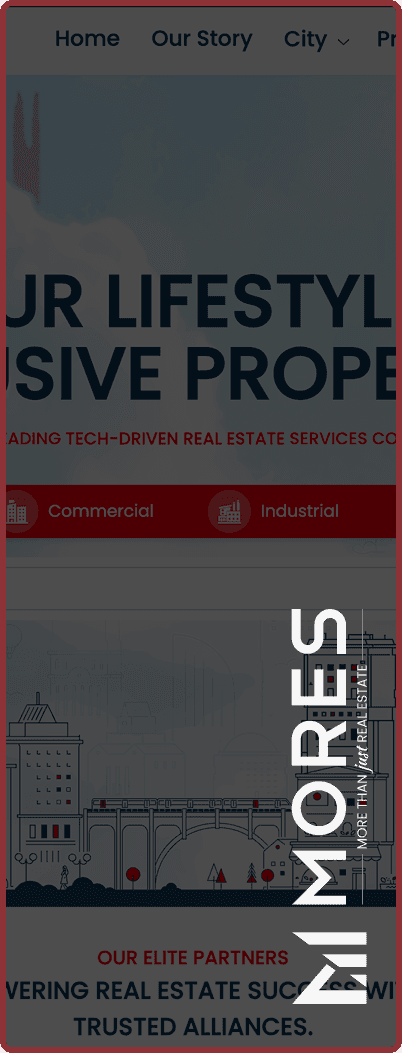
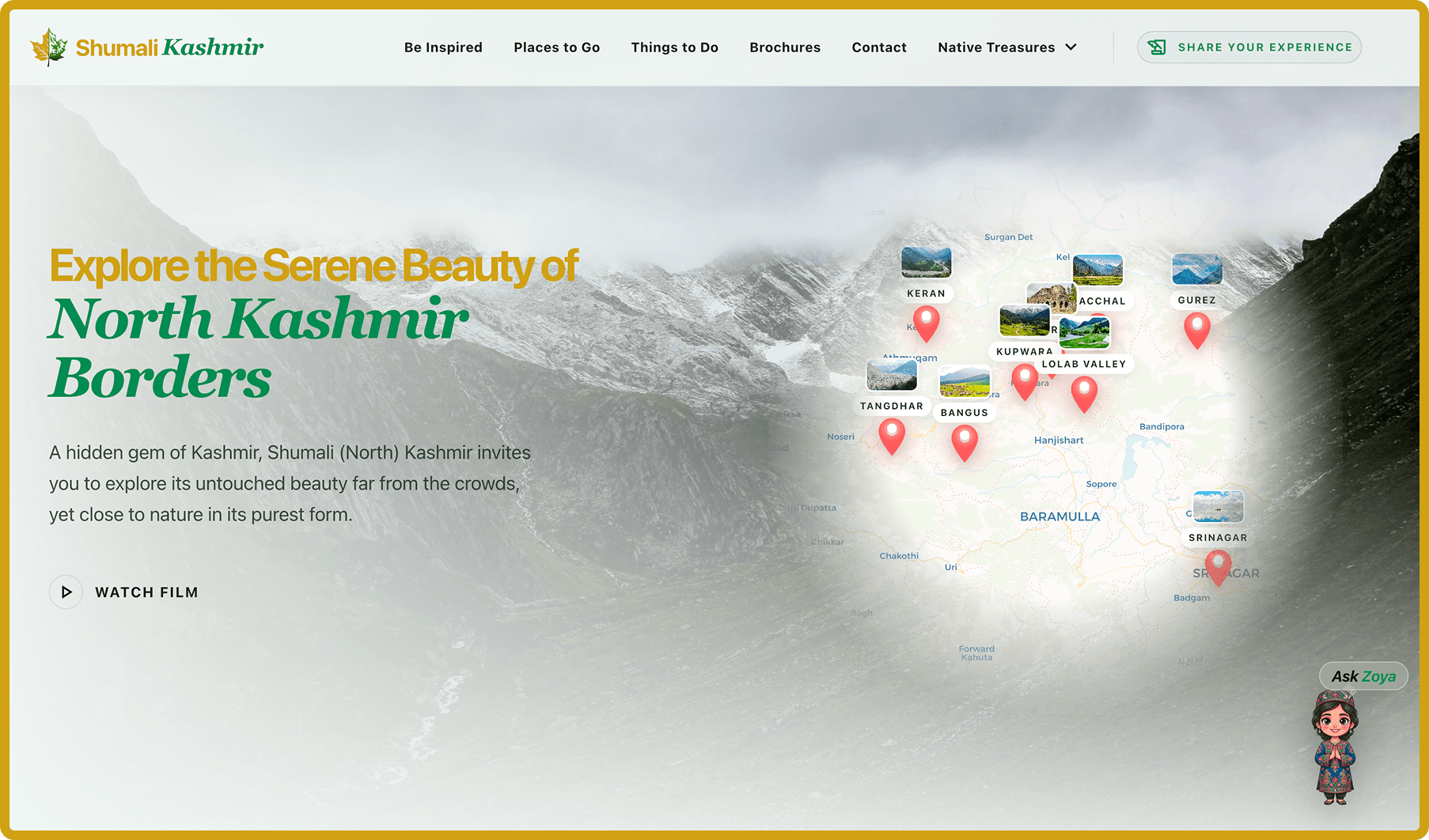
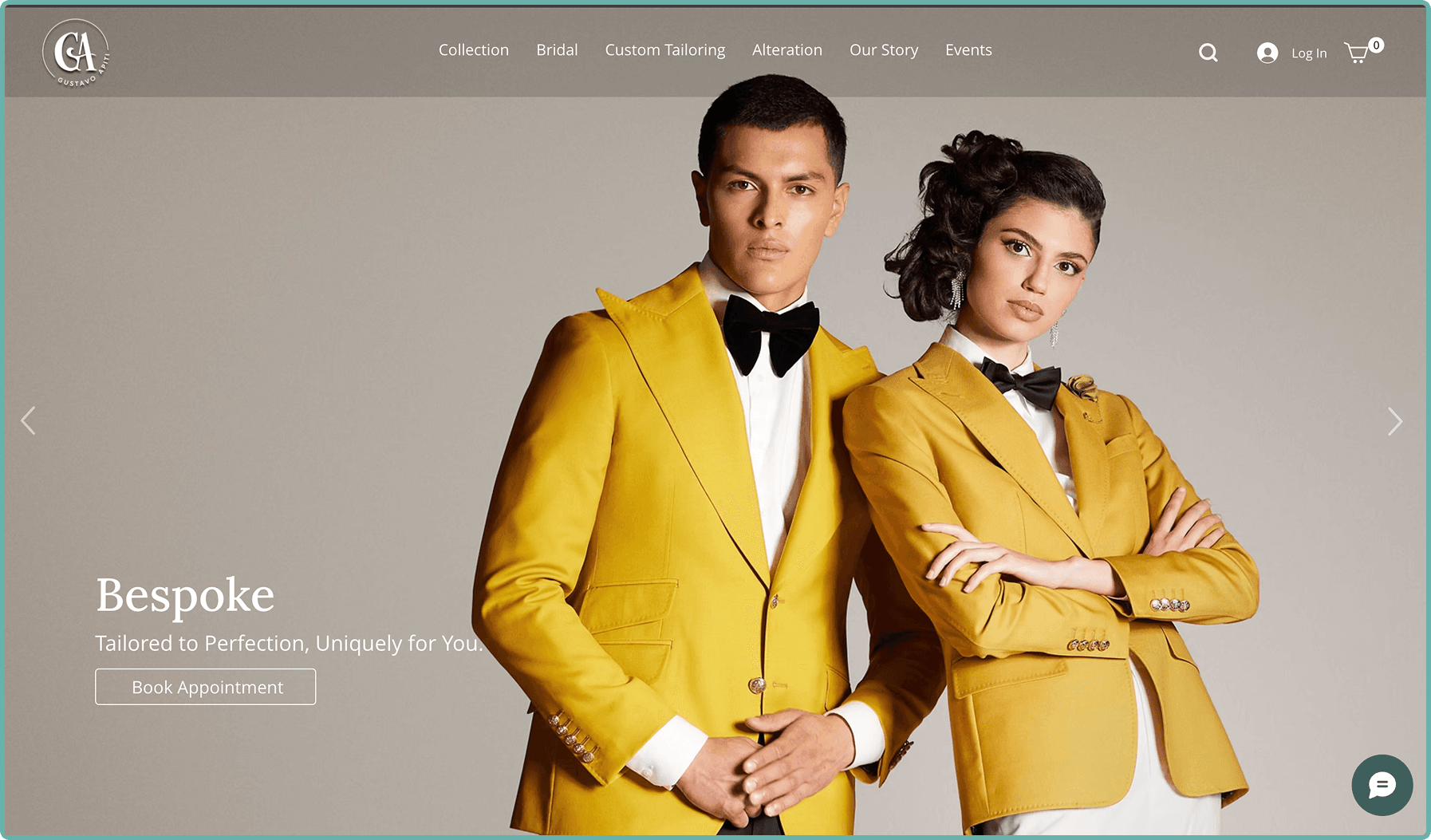
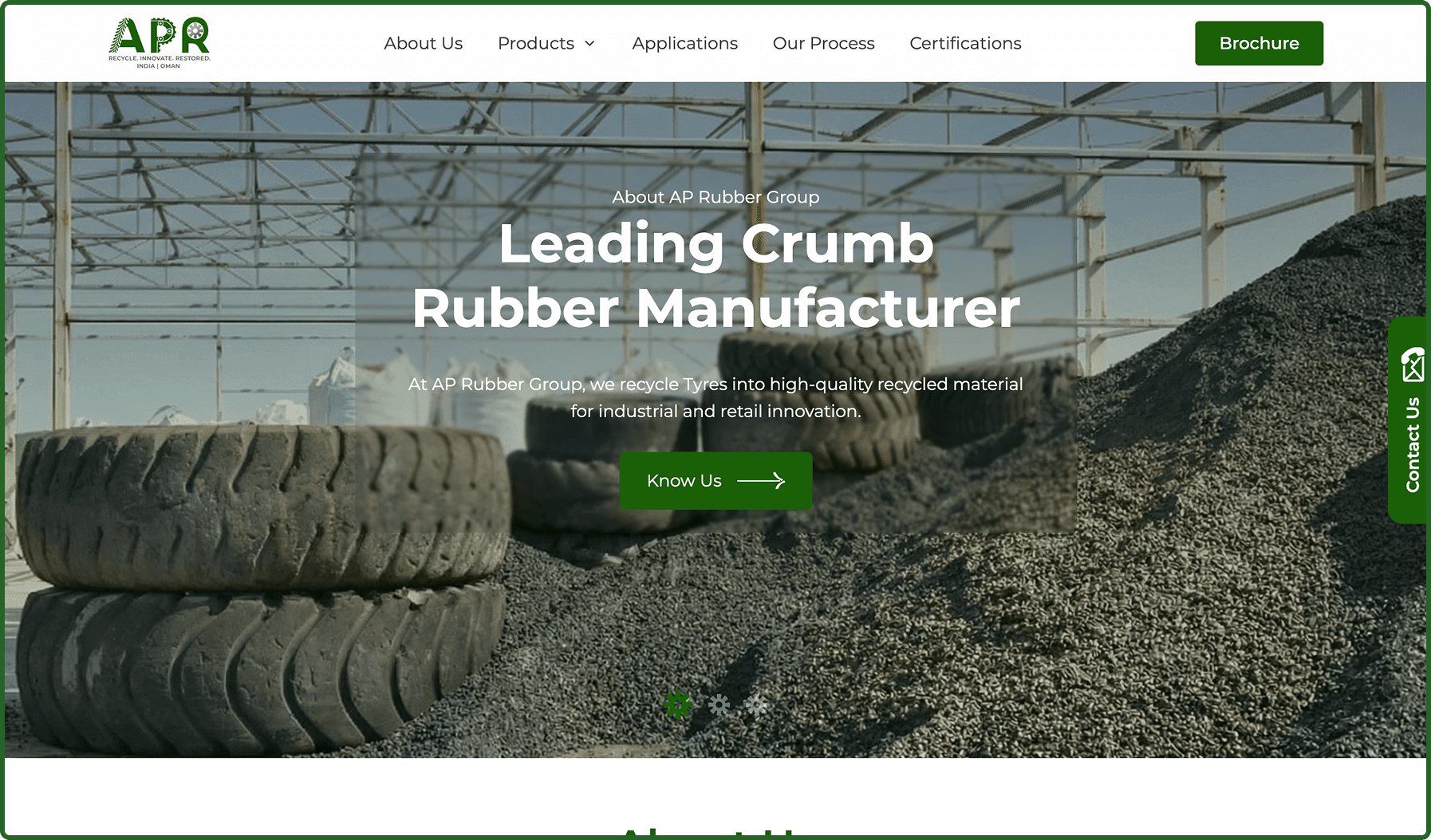
End-to-end UI/UX design services that blend creativity with strategy, from research and wireframing to visual branding and custom platform design, ensuring seamless, engaging, and conversion-driven digital experiences.
Initial Design Blueprint
Lay the foundation for impactful designs with comprehensive research and structured planning. Our blueprint covers user research, persona creation, wireframes, and information architecture, ensuring your product design has a clear direction from the start.
Before & After Transformations
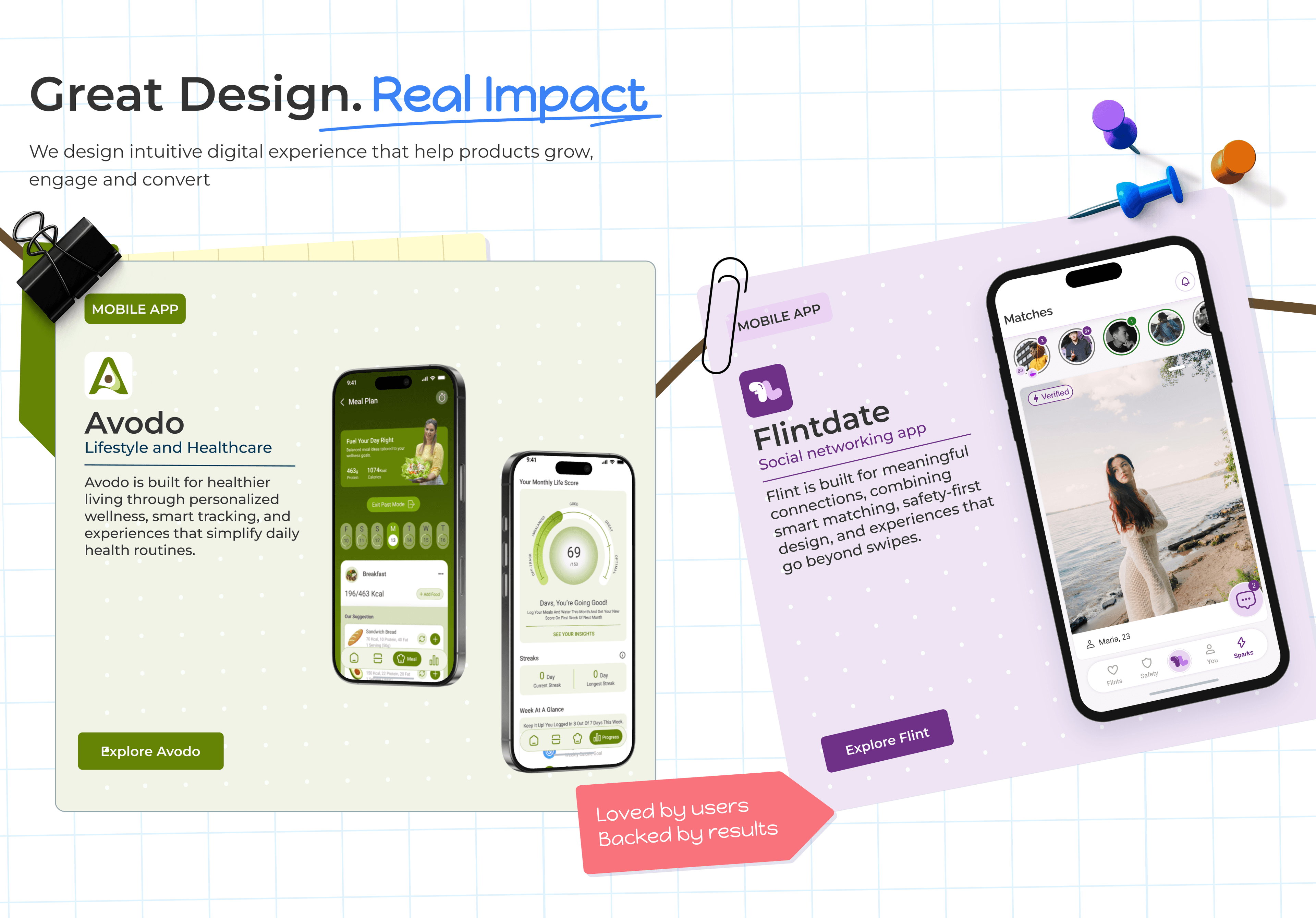
Experience the impact of smart UI/UX design with side-by-side comparisons of outdated interfaces versus optimized, user-friendly solutions. Our redesigns focus on clarity, usability, and turning frustrating experiences into seamless digital journeys.
E-Commerce Redesign
Drag the slider to see the transformation
Legacy Design
Cluttered interface with multiple design problems
Modern Transformation
Clean, user-focused design solution
Why Choose Our Design Team
Our design approach combines creativity, strategy, and technology to deliver measurable results. With a focus on usability, speed, and scalability, we create digital experiences that keep users engaged and businesses growing.
User-Centric Design
Every decision is driven by user research and testing to ensure satisfaction and engagement.
- 98% User Satisfaction
- 40% Higher Engagement
- Data-Driven Design Decisions
- Enhanced User Retention
Performance Optimization
Interfaces built for speed, functionality, and seamless experiences across devices.
- 2x Faster Load Times
- 60% Better Performance
- Optimized Cross-Device Usability
- Reduced Bounce Rates
Design System Mastery
Scalable systems that reduce development time and ensure consistent branding.
- 50% Faster Development
- 90% Design Consistency
- Reduced Maintenance Costs
- Streamlined Collaboration
UI/UX Designing Process
UI/UX Designing is the process of shaping seamless, visually appealing, and user-centric digital experiences. It blends research, ideation, and structured design systems to deliver products that solve problems effectively while delighting users.
Brief
Define project goals, capture requirements, and establish alignment with stakeholders.
Key Activities
Final Deliverables
Design Success Stories
Real results from our UI/UX design projects
Frequently Asked Questions
Complete guide to UI/UX design process, best practices, and user-centered design principles
What's the difference between UI and UX design?
UX (User Experience) Design focuses on how a product works, user research, flows, wireframes, and testing to ensure it’s intuitive and solves real problems. UI (User Interface) Design focuses on how it looks, colors, typography, buttons, and layout to make it visually appealing and consistent with the brand. Think of it like building a house: UX is the blueprint, and UI is the interior design. At MoonDive, we start with UX to create a seamless experience, then craft a stunning UI to bring it to life.
How long does the UI/UX design process take?
The UI/UX design timeline depends on project complexity: • Simple projects (5–8 screens): 2–3 weeks • Medium projects (10–20 screens): 4–6 weeks • Complex projects (30+ screens): 8–12 weeks Process overview: Discovery & Research → Information Architecture → Wireframing → UI Design → Prototyping → User Testing & Iteration. At MoonDive, we deliver designs in phases, allowing development to start early, cutting total project time by up to 30%.
Do you conduct user research and testing?
Yes, we conduct comprehensive user research and testing to ensure product success. Our process includes: • Discovery research: User interviews, surveys, competitor analysis, and analytics review. • Usability testing: Prototype and task-based testing, think-aloud sessions, and feedback analysis. • Post-launch testing: A/B testing, heat maps, and session recordings to optimize performance. At MoonDive, data-driven insights help us create user-friendly designs, leading to fewer usability issues and higher satisfaction scores.
What tools do you use for UI/UX design?
We use industry-leading tools to deliver seamless UI/UX design workflows. • Design & Prototyping: Figma (real-time collaboration, design systems, interactive prototypes, developer handoff). • Research & Testing: Maze, UserTesting.com, Hotjar (usability tests, heatmaps, and user behavior insights). • Analytics & Mapping: Google Analytics, Mix panel, Miro (journey mapping and workshops). • Design Systems: Storybook, Zero height (for consistent component documentation). At MoonDive, Figma is our primary tool, enabling real-time collaboration, instant feedback, and smooth designer–developer handoff for efficient, high-quality results.
Can you redesign my existing app or website?
Yes! We specialize in data-driven redesigns that improve performance, usability, and visual appeal. Our process includes: • Analysis: Review analytics, heatmaps, and user feedback to identify drop-offs and usability issues. • Strategy: Define goals (better conversions, engagement, or experience) and outline key improvements. • Design & Testing: Create new wireframes and UI designs, test prototypes with real users, and refine based on feedback. • Phased Rollout: A/B test new designs, launch gradually, and monitor performance metrics. At MoonDive, we focus on redesigning with purpose, enhancing user experience, functionality, and results, not just the look.
How do you ensure the design matches our brand?
We ensure your design perfectly reflects your brand identity through a structured brand integration process: • Brand Discovery: Review your logo, colors, typography, tone, and marketing materials to understand your brand’s personality and goals. • Design System Creation: Build a consistent visual language, color palette, typography, components, icons, and imagery, tailored to your brand. • Cross-Platform Consistency: Ensure your website, app, and marketing visuals feel unified and on-brand. • Brand Evolution: Modernize outdated visuals while keeping brand recognition intact. At MoonDive, every design decision aligns with your brand’s voice, ensuring a cohesive and memorable user experience.
What is a design system and do I need one?
A design system is a collection of reusable components, patterns, and guidelines that maintain visual and functional consistency across your product. It includes: • Components: Buttons, forms, cards, and navigation elements with defined states. • Patterns: Reusable flows like logins, errors, and loading screens. • Guidelines: Rules for accessibility, tone, spacing, and usage. Faster design and development, consistent user experience, scalability, and improved collaboration between teams. You need a design system if you’re managing multiple products, have a growing design/development team, or plan to scale quickly. At MoonDive, we build custom design systems that reduce design and development time by up to 40% while ensuring brand and UX consistency.
How do you make designs accessible for users with disabilities?
Accessibility (a11y) is integrated into every stage of our design process to ensure an inclusive experience for all users. • Visual Accessibility: Maintain WCAG AA color contrast (4.5:1), scalable text, clear focus indicators, and use icons with color for status cues. • Motor Accessibility: Large tap targets (44x44px), full keyboard navigation, voice control support, and proper spacing. • Cognitive Accessibility: Simple language, consistent layouts, clear error messages, and reduced motion options. • Screen Reader Support: Proper heading hierarchy, alt text, ARIA labels, and skip navigation links. • Testing & Compliance: Automated and manual audits (Axe, WAVE, NVDA, VoiceOver), ensuring WCAG 2.1 AA compliance. At MoonDive, we design accessibility from the start, enhancing usability for everyone while expanding your product’s reach and impact.
Can you design for both web and mobile simultaneously?
Yes! We design for both web and mobile simultaneously using a responsive, cross-platform approach for consistent experiences across devices. • Mobile-first design: We start with smaller screens and scale up to tablet and desktop, ensuring mobile UX isn’t an afterthought. • Responsive web design: Fluid layouts, flexible media, and adaptive breakpoints make designs work seamlessly on all screen sizes. • Native mobile app design: Follows iOS and Android guidelines with platform-specific interactions while maintaining a unified brand feel. • Shared design system: Common components, colors, and typography across platforms streamline collaboration and reduce effort. At MoonDive, this approach delivers cohesive, high-quality designs across all devices, adding only about 20–30% extra time compared to designing one platform.
What is design thinking and how do you apply it?
Design Thinking is a user-centered problem-solving approach that helps us create solutions based on real user needs, not assumptions. It follows five key phases: 1. Empathize: Understand users through interviews, journey mapping, and personas to uncover real pain points. 2. Define: Turn research into clear problem statements and prioritize what truly matters. 3. Ideate: Brainstorm and explore multiple creative solutions using techniques like “How Might We” and quick sketching. 4. Prototype: Build quick, low-fidelity mockups or interactive prototypes to visualize ideas. 5. Test: Validate with real users, observe their interactions, and refine based on feedback. At MoonDive, we apply design thinking iteratively, testing and improving until the design truly works for users.
How do you handle design revisions and feedback?
We follow a clear and collaborative feedback and revision process to ensure designs meet your goals efficiently. • Review cadence: Weekly design reviews and milestone presentations (wireframes, UI, prototypes) with async feedback via Figma comments. • Revision rounds: 1. Wireframes: Unlimited revisions to be structured. 2. UI Design: 2–3 rounds per screen or section. 3. Prototype: 1–2 refinement rounds. • Feedback best practices: We encourage specific, prioritized, and consolidated feedback. All design changes are backed by UX rationale and user data. • Turnaround time: Minor tweaks (1–2 days), moderate changes (3–5 days), major revisions (1–2 weeks). At MoonDive, our structured, transparent approach keeps collaboration smooth, 92% of clients rate our feedback process as “very clear and effective.”
What design deliverables will I receive?
You’ll receive a complete design deliverable package that includes everything needed for smooth development and future scalability. • Discovery Phase: User research insights, personas, journey maps, competitor analysis, sitemap, and user flows. • Design Phase: Wireframes, high-fidelity UI mockups, interactive Figma prototypes, and reusable component libraries. • Developer Handoff: Figma developer mode access (specs and assets), style guide (colors, typography, spacing), responsive notes, and accessibility annotations. • Post-Design: Usability testing reports, design QA checklist, and all final source files in Figma (fully owned by you). All files are delivered in Figma (industry standard) with 100% ownership transfer, ensuring easy access, collaboration, and long-term usability without any lock-in.
How do you optimize designs for conversion and engagement?
We use a data-driven approach to design higher conversion and engagement. • Research & Analysis: Review analytics, heatmaps, and session recordings to identify user drop-offs and conversion bottlenecks. • Conversion-Focused Design: Apply clear value propositions, strong visual hierarchy, reduced friction, trust elements, and mobile-first layouts to guide users smoothly toward action. • A/B Testing: Continuously test variations in layouts, CTAs, and messaging to validate what works best. • Engagement Optimization: Enhance onboarding, use smart empty states, add subtle gamification, and include interactive feedback to keep users engaged. • Performance Tracking: Monitor conversion rate, bounce rate, and satisfaction before and after redesigning. Our conversion-optimized designs typically drive up to 35% improvement in key metrics, with proven results across eCommerce and SaaS clients.
Do you create design for marketing materials beyond the product?
Yes! We design beyond the product to ensure a consistent, conversion-driven brand experience. • Product Design: Web/mobile app UI/UX, SaaS dashboards, design systems. • Marketing Design: Landing pages, email templates, social media creatives, infographics, and pitch decks. • Print & Brand Design: Brochures, business cards, trade show graphics, logos, and brand guidelines. A unified design builds recognition, boosts conversion, and maintains a professional image. We adapt to your stage, from startup MVPs to enterprise-level creative retainers, acting as your full design partner or supporting your in-house team.
How do you stay current with design trends and best practices?
We stay ahead through continuous learning, experimentation, and real-world validation. • Learning & Development: Attend top design conferences (Figma Config, Adobe MAX), take advanced UX courses (Nielsen Norman Group, IDF), and study design systems from Airbnb, Shopify, Google, and Apple. • Industry Monitoring: Follow leading designers on social media, subscribe to UX Collective, Smashing Magazine, and analyze best-in-class apps like Notion, Stripe, and Linear. • Experimentation: Run internal design sprints, explore AI, AR/VR concepts, and contribute to open-source systems to stay hands-on with innovation. • Balanced Approach: We adopt tested, user-validated patterns over hype. Trends inspire us, but usability, accessibility, and longevity always come first. Our work evolves with design trends yet remains timeless, functional, and user-centered, so your product feels modern today and relevant tomorrow.
Start Your Design Journey
Transform your digital presence with exceptional UI/UX design. Let's create experiences that users love and businesses need.